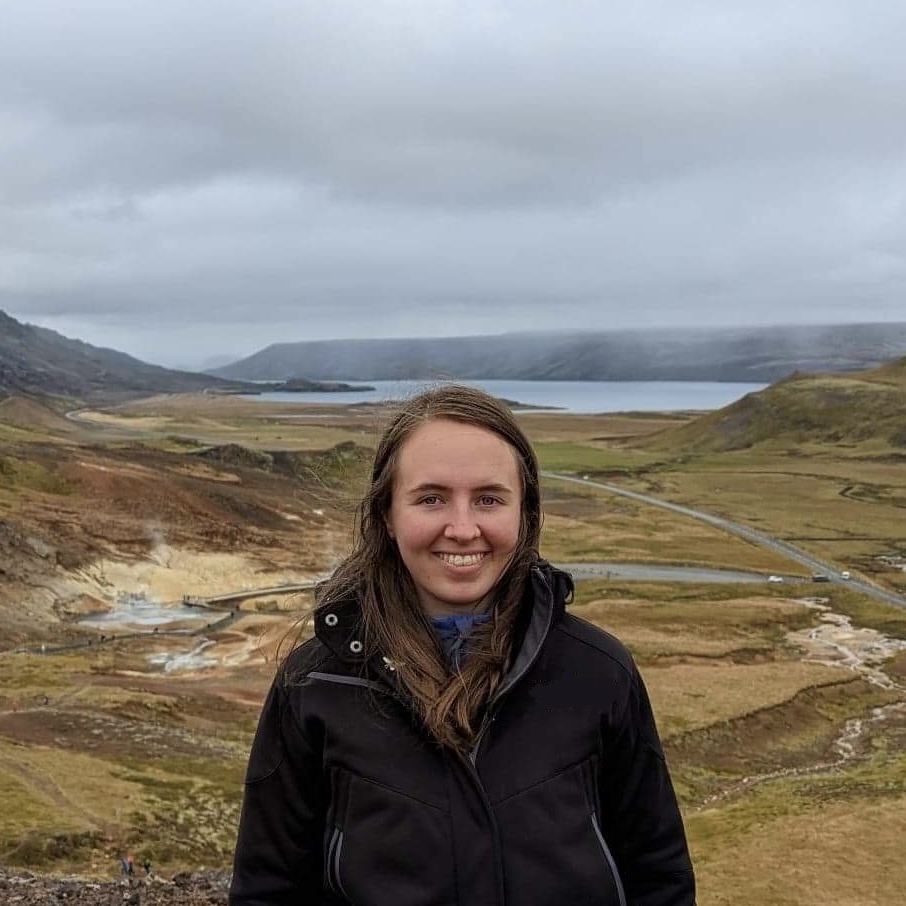
Kirsty MacArthur, a postgraduate researcher from the fourth SUPER DTP cohort, undertook a 2-month internship in the autumn of 2025 with NatureScot, the lead public body responsible for advising the Scottish Government on natural heritage. The internship focused on urban freshwater ecology and biodiversity assessment which tied directly into their PhD.
Kirsty shares their reflections on the experience below.
What reasons did you have for undertaking an internship?
NatureScot is a CASE partner on my PhD. The placement was a planned component of my studentship so it was very closely related to my PhD research.
What did your internship role involve?
My main role was working on specific components of larger projects, completing the urban ponds assessment for the national Red List of Ecosystems Indicator and conducting a literature review for a guidance document focused on amphibians, SUDS, and roads. Alongside this project work, I attended various internal and external meetings, to experience what it is like to work for the organisation day-to-day. I also had the opportunity to present my progress at some of these meetings.
What were the main benefits to you?
One of the main benefits for me was getting a better understanding of what it might be like to work at an organisation like NatureScot, outside of academia. I really enjoyed meeting different people across multiple teams and expanding my network. It was also highly beneficial to attend RESAS meetings and see firsthand how scientific research actually informs government policy. Being able to apply my PhD research in this way was a really rewarding experience.
What opportunities for skills and personal development did the internship offer?
The internship gave me the opportunity to develop my project and time management skills, as it was challenging to undertake this work in a short two-month time scale and find the balance between the two projects. I was also able to develop my professional communication skills and adapt to different teams and collaborators.
What were the main achievements and outcomes of the internship?
I feel that the main achievement of the internship was successfully completing the urban ponds assessment within the timeframe, alongside making significant progress on the literature review (which I continued to work on after returning to my PhD). The main outcomes are knowing that my work feeds directly into a national indicator and will eventually help shape better SUDS design. It is also a great outcome to know that my research and writing will be included as part of future NatureScot publications.
Would you recommend an internship to other students?
Yes, I would definitely recommend an internship to other students. It gave a really good insight into how an organisation outside of academia works. It also helped me see that the knowledge and skills I have developed during my PhD are highly adaptable and how they can be applied to different, real-world projects.